
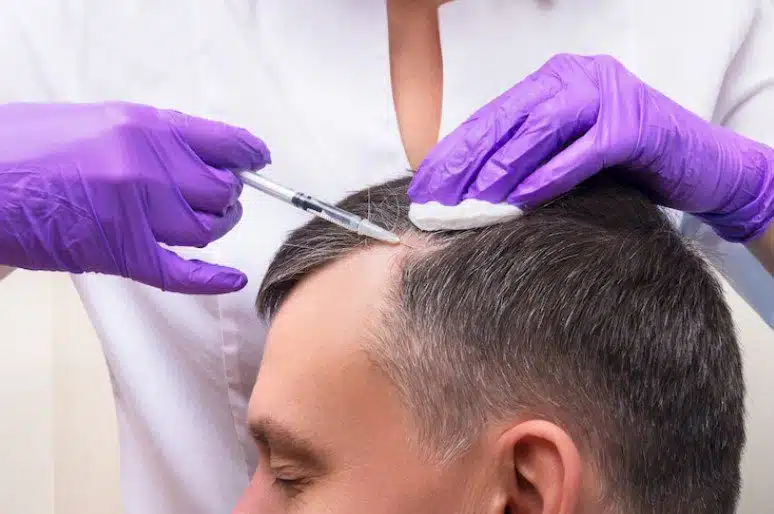
Hair transplantation has evolved dramatically over the past two decades. Once considered a highly invasive cosmetic surgery that left behind noticeable scars, today’s advanced procedures allow patients to enjoy natural results with minimal discomfort and downtime. For millions of men and women struggling with baldness or thinning hair, modern transplant techniques offer hope, confidence, and a permanent solution.
In this comprehensive guide, we will compare the four most recognized methods of hair transplantation—FUT, FUE, DHI, and SUT. By exploring how each technique works, their pros and cons, recovery expectations, and who they are best suited for, you will gain a clear understanding of which approach may deliver the results you desire.
Why Hair Transplantation Matters
Hair is often referred to as our “crowning glory.” It plays a major role in self-image, attractiveness, and even social confidence. Unfortunately, genetics, hormones, stress, or environmental factors can trigger gradual or sudden hair loss. For men, androgenetic alopecia (male pattern baldness) is the most common culprit, while women may experience diffuse thinning, especially after hormonal changes such as pregnancy or menopause.
Temporary solutions like wigs or topical treatments can only go so far. Hair transplantation, however, offers a permanent way to restore your natural hairline and density. With success rates reaching 85–95% in reputable clinics, it is no wonder that procedures like FUT, FUE, DHI, and SUT have become increasingly popular worldwide.
The FUT Method (Follicular Unit Transplantation)
How It Works:
FUT is one of the earliest and still widely practiced techniques. In this method, the surgeon removes a thin strip of scalp from the donor area (usually the back of the head). The strip is dissected under a microscope to isolate follicular units, which are then implanted into the recipient area.
Advantages of FUT:
-
Ideal for patients requiring a large number of grafts (over 2,000).
-
Typically lower cost compared to newer methods.
-
Follicle survival rate is very high because grafts are handled carefully under a microscope.
Disadvantages of FUT:
-
Leaves a linear scar in the donor area, which may be visible with short hairstyles.
-
Recovery takes longer due to sutures.
-
Some patients report mild tightness in the scalp post-surgery.
Best For:
Patients seeking maximum coverage in a single session and who don’t mind a short scar hidden beneath longer hair.
The FUE Method (Follicular Unit Extraction)
How It Works:
FUE revolutionized hair transplantation by eliminating the need for strip harvesting. Instead, individual follicles are extracted directly from the donor area using tiny punches (0.8–1 mm). These follicles are then implanted into the balding areas one by one.
Advantages of FUE:
-
No linear scar—only tiny dot scars that heal quickly.
-
Faster recovery compared to FUT (5–7 days).
-
Suitable for patients who prefer short hairstyles.
-
Highly natural-looking results.
Disadvantages of FUE:
-
More time-consuming than FUT, especially for large graft numbers.
-
Generally more expensive due to the advanced technology required.
-
Overharvesting in the donor area can reduce density if not done by an experienced surgeon.
Best For:
Patients seeking minimal scarring, fast recovery, and natural results. It is especially popular among younger individuals and those who want flexibility in hairstyle.
The DHI Method (Direct Hair Implantation)
How It Works:
DHI builds on the FUE foundation. Instead of manually creating incisions in the recipient area before placing the grafts, DHI uses a special implanter pen (known as the Choi pen). Follicles are loaded into the pen and implanted directly into the scalp, allowing the surgeon to control the depth, angle, and direction of each graft with high precision.
Advantages of DHI:
-
Extremely natural-looking results due to angle control.
-
Less bleeding and trauma compared to FUT and FUE.
-
Shorter recovery time.
-
Higher density possible in certain areas (such as the hairline).
Disadvantages of DHI:
-
More expensive than both FUT and FUE.
-
Requires a highly skilled surgeon, as technique precision is critical.
-
May take longer for large-scale procedures.
Best For:
Patients who want highly refined, natural results, especially in visible areas like the hairline and temples.
The SUT Method
How It Works:
SUT (often marketed as an advanced version of FUE) uses automated devices to extract and implant hair follicles. Unlike manual methods, SUT reduces human error and speeds up the process. Grafts are harvested with minimal trauma, preserving their survival rate.
Advantages of SUT:
-
Faster procedure time compared to FUE or DHI.
-
Less damage to follicles due to advanced suction and placement systems.
-
High-density results possible.
-
Minimal pain and discomfort during surgery.
Disadvantages of SUT:
-
Requires specialized equipment available only in advanced clinics.
-
Still relatively new, meaning fewer long-term studies compared to FUT or FUE.
-
Cost can vary depending on region and clinic expertise.
Best For:
Patients who value speed, minimal discomfort, and high-tech precision.
Recovery and Aftercare Across Methods
Regardless of the technique, aftercare plays a critical role in ensuring graft survival and optimal results. General guidelines include:
-
Avoid washing the scalp for 48 hours post-surgery.
-
Use only mild, sulfate-free shampoos.
-
Refrain from strenuous physical activity for 10–14 days.
-
Avoid direct sunlight and wear loose cotton hats when necessary.
-
Follow up with the surgeon at scheduled intervals to track healing.
While recovery times differ slightly—FUT takes longer due to stitches, while FUE, DHI, and SUT typically heal within a week—patients can usually resume normal routines quickly.
Choosing the Right Method for You
Selecting the ideal hair transplant method depends on factors such as:
-
Extent of Hair Loss: FUT may be best for severe baldness, while FUE/DHI/SUT suit moderate cases.
-
Budget: FUT is often the most affordable, while DHI and SUT tend to be more costly.
-
Desired Results: For the most natural hairline, DHI is often recommended.
-
Lifestyle Preferences: If you prefer very short hairstyles, FUE or SUT are better options due to less visible scarring.
Global Trends and Popular Destinations
Hair transplantation has become a booming medical tourism industry. Countries like Turkey, South Korea, and India have established themselves as hubs due to competitive pricing and skilled surgeons. Increasingly, patients are turning to hair transplant in Iran, where world-class specialists and affordable costs make it an attractive option for international clients. Iranian clinics often combine advanced technologies with personalized care, making the country a growing hotspot for hair restoration procedures.
Final Thoughts
FUT, FUE, DHI, and SUT each bring unique strengths and considerations to the table. There is no “one-size-fits-all” method, and the right choice depends on your personal needs, expectations, and budget. Consulting a qualified, board-certified specialist is essential to determine the most suitable approach for your case.
Ultimately, hair transplantation is more than a cosmetic procedure—it’s an investment in your confidence and quality of life. With the right method and clinic, you can enjoy a permanent transformation that looks and feels completely natural.