
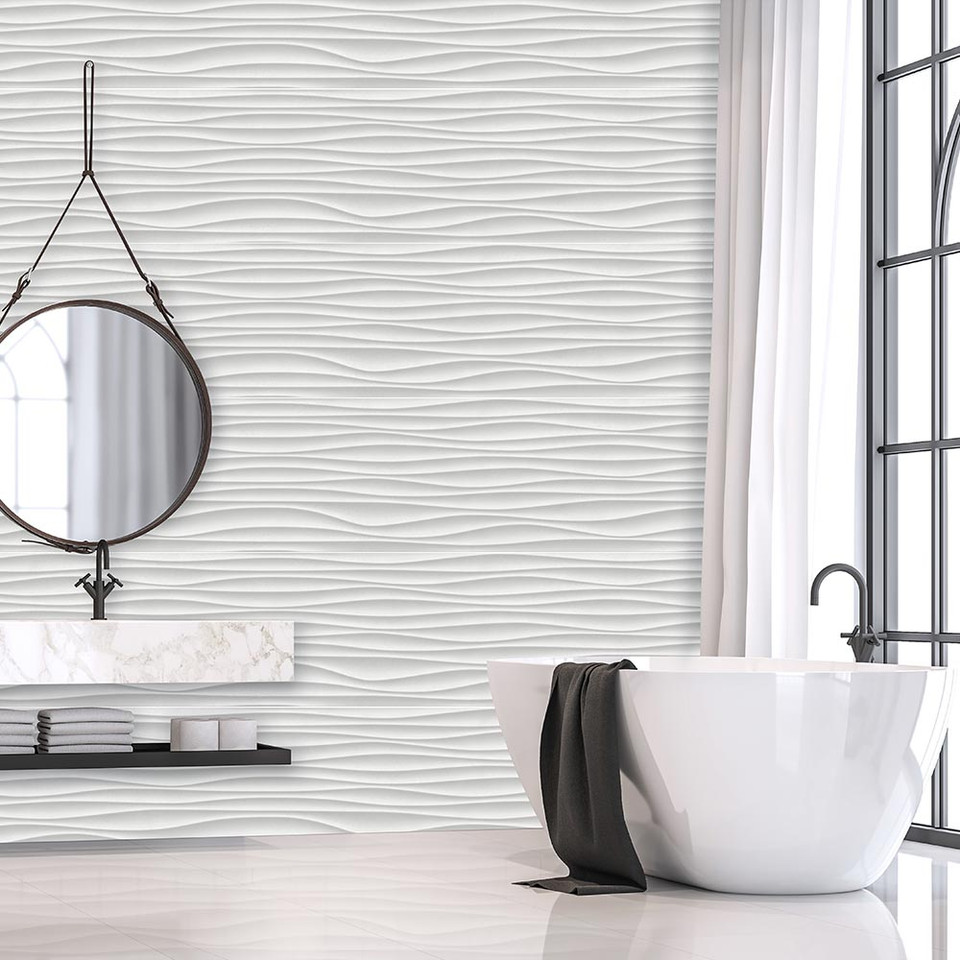
For decades, British interior walls have been henpecked by a sure triad: poultice, paint, and wallpaper. Yet, a quiet rotation is current, transforming upright spaces from mere backdrops into the main . The UK is currently experiencing a tide in demand for uncommon wall panels, animated far beyond the ubiquitous shiplap and pure mathematics MDF. In 2024, a Holocene surveil by the Interior Design Association indicated that 42 of UK homeowners are now considering non-traditional, rough-textured wall coverings for their restoration projects, a significant leap from just 15 five old age ago. This swerve is not about refinemen; it is about creating immersive, touchable environments that tell a news report and engage the senses in ways flat blusher simply cannot.
The New Material World: From Fungi to Fabric
The most exciting developments lie in the materials themselves. Designers and homeowners are progressively turning to property and unexpected sources to panels that are as eco-conscious as they are pleasant.
- Mycelium Marvels: Grown from the root structure of mushrooms, mycelium panels are a superlative of bio-design. Companies are cultivating this stuff into soft, sculptural forms that supply exceeding acoustical dampening. They are fire-resistant, full compostable, and work a warm, organic fertilizer, almost satellite-like texture to a room.
- Resin River Walls: Epoxy rosin art is no thirster restrained to tabletops. Large-format panels are being created with deep pours of black rosin, mimicking the flow of rivers, the marbling of pit, or snarf galactic scenes. These become surprising, custom-made point points, often embedded with metallic-looking leaf or natural elements like dried flowers and wood slices.
- Textile & Felted Wool: Acoustic public presentation is a key driver. Panels made from dense, felted wool or three-dimensional figure textiles are being used to make soft, warm, and incredibly quiet down spaces. They can be cut into intricate patterns or stratified to make a profoundly unsmooth, almost cloud-like effect on walls, hone for home offices, studios, and bedrooms seeking quiet.
Case Study One: The Hive, Brighton
A co-working space in Brighton,”The Hive,” longed-for to differentiate itself in a thronged market. Their unusual weight was to make a”Sensory Sanctuary” for freelancers. They commissioned a topical anaestheti studio apartment to instal wall panels made from a intermix of recycled cork and hemp. The panels were not unvarying; some were raised with Braille poesy, others with topographic maps of the South Downs, and some left smooth. The result is a workspace where members are pleased to touch down the walls, tactile sensation the different textures as a form of passive voice sensorial stimulation. This touchable go through has been credited in penis feedback for reduction anxiousness and fostering a uniquely calm and focussed standard atmosphere, proving that wall panels can be entire to upbeat.
Case Study Two: The Urban Forager’s Kitchen, London
In a Victorian terrasse in East London, a householder with a rage for mycology took the construct of”local sourcing” to its extreme point. Instead of purchasing mycelium panels, they collaborated with a bio-artist to grow a usance panel walls direct onto a section of their kitchen wall. Using a substrate of agricultural waste from London markets, the mycelium was guided to grow over several weeks into a mildly undulating, low-relief landscape. Once dried and annealed, it was plastered with a natural beeswax wind up. This livelihood material, now a permanent wave mending, is a conversation patch that embodies a base to sustainable, hyper-local plan and blurs the line between inside decor and art.
The Deeper Angle: Panels as Narrative, Not Just Decoration
The typical perspective here is that these uncommon panels are no longer seen as mere cosmetic finishes. They are increasingly sunbaked as narration . A rosin river wall might chart the course of a front-runner hiking train. Panels made from compressed, recycled jean can tell a news report of reuse and retention. 3D-printed panels can play the cellular structure of a set substantial to the homeowner. This front is about rejecting the mass-produced in favour of the profoundly personal and the experientially rich. The wall becomes a canvas for personal story, environmental values, and artistic verbal expression, animated interior plan from a rehearse of styling to one of storytelling.
Looking Ahead: The Future is Textured and Personal
The UK’s embrace of unusual wall panels signals a broader shift in how we conceptualize our personal spaces. We are animated away from the sterile and the standard