
Comprehensive Examination Plumbing System Services For Repairs, Sustainment, And Upgrades: Complete Solutions For A Trustworthy Water System Of Rules
Composite Bonding in the UK What Patients Need to Know Before Booking a Consultation
What Is Composite Bonding and How Does It Work?
Composite bonding is a cosmetic dental procedure where tooth-coloured resin-based composite material is adhered directly to enamel or dentine to alter a tooth’s shape, shade, contour, or appearance. The procedure is often completed in a single appointment and typically requires minimal removal of natural tooth tissue.
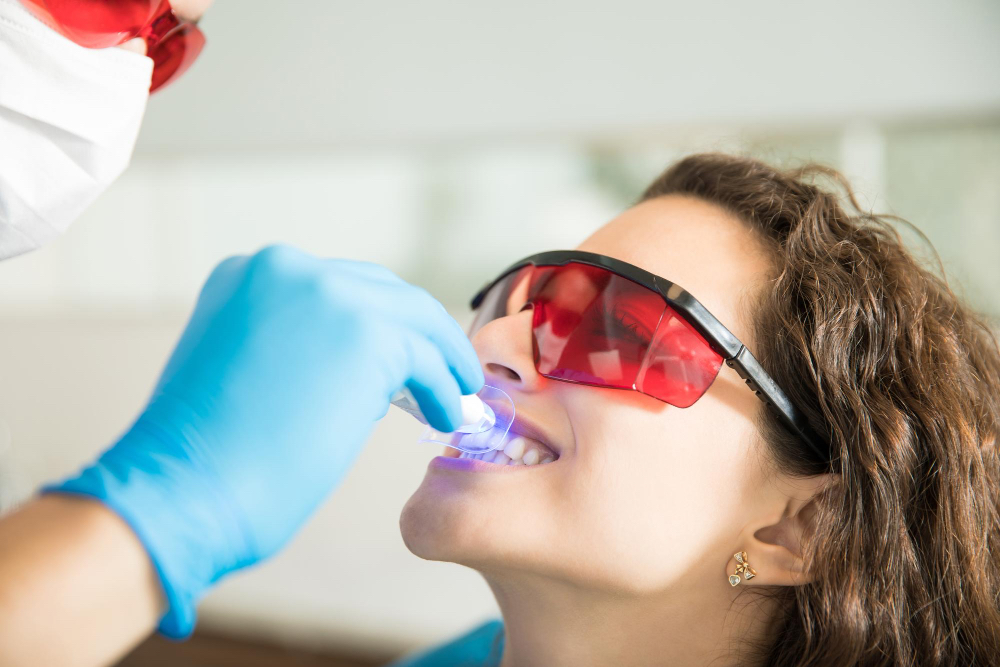
The composite resin is a mixture of plastic polymer and fine glass particles. The material is applied to the tooth surface in layers, sculpted by the dentist to the desired shape, and hardened using a curing light. The curing light triggers photopolymerisation, the chemical process that bonds the resin to the tooth surface. The dentist then polishes the material to a finish that closely matches the surrounding natural teeth.
Composite bonding treats a specific range of conditions. These include closing small gaps between teeth, restoring chipped or fractured tooth edges, reshaping uneven teeth, lengthening worn tooth edges, and improving the appearance of mild discolouration. It also complements orthodontic treatment by refining tooth shape after alignment is complete.
Why Has Composite Bonding Become So Popular in the UK?
Composite bonding’s rapid growth in the UK has been driven by social media influence, increasing demand for aesthetic dental treatment, and the perception that the procedure is quick, affordable, and non-invasive. The General Dental Council confirmed this trend in an April 2026 blog post authored by Shamir B. Mehta, Lead Clinical Adviser, Fitness to Practise, who qualified from King’s College London and holds a Master’s in Clinical Dentistry (Prosthodontics) and a Doctorate in Medical Science.
Social media platforms present composite bonding through before-and-after photographs that show dramatic aesthetic transformations. These images are typically captured immediately after treatment, at the point of maximum polish and colour uniformity. The appearance at that moment does not represent the long-term outcome of the material under daily conditions.
Composite bonding is accessible. Any GDC-registered dentist can perform the procedure. It does not appear on the GDC specialist list, which means no additional specialist qualification is required. The quality of the clinical outcome depends entirely on individual operator skill, material quality, and time investment per tooth. These factors are not visible in a finished photograph.
How Long Does Composite Bonding Last in the UK?
Composite bonding typically lasts between 5 and 7 years. The material’s lifespan depends on the quality of the resin used, the operator’s technique, the patient’s oral hygiene, dietary habits, and whether the patient grinds their teeth.
Multiple UK dental practice and clinical sources, including Surrey Dentist, Dentozen, and Revodent, all confirm the 5 to 7 year range as the realistic expectation for most patients with proper maintenance. UrgentCare Dental, a UK dental practice, describes the typical pattern as years 1 to 2 looking excellent with minimal maintenance, and years 3 to 5 showing progressive staining and minor wear that professional polishing can temporarily address.
The Dentistry.co.uk analysis of composite bonding patient complaints confirms a specific legal exposure for practitioners: when patients expect the material to last 10 or more years and it fails at year 3, and the practitioner did not document realistic expectations at the consent stage, a negligence claim is likely to succeed. This obligation is established in UK law through the Montgomery ruling (Montgomery v Lanarkshire Health Board [2015] UKSC 11, Supreme Court of the United Kingdom). The ruling established that patients must be informed of any material risk that a reasonable person in their position would consider significant, regardless of the clinician’s assessment of that risk’s importance.
What Are the Specific Risks of Composite Bonding Patients Are Not Told About?
The 5 documented risks of composite bonding that patients are frequently not informed about at consultation are: staining from food and drink, gradual loss of surface gloss, wear, chipping or fracture, and the difficulty of complete removal without damaging enamel.
The GDC’s Shamir Mehta confirmed in April 2026 that composite resin is more porous than natural enamel. This porosity makes the material prone to staining from coffee, tea, red wine, smoking, and spices such as turmeric. The rate of staining depends on the specific composite resin brand, the polish quality at treatment completion, and the patient’s dietary habits and oral hygiene maintenance.
Loss of surface gloss is a progression that begins after the initial high-polish stage. The composite surface gradually loses the optical quality present at treatment completion. Professional polishing appointments, typically every 6 to 12 months, slow this progression but do not prevent it.
Chipping and fracture risk increases when composite bonding is placed in high-bite-force areas without adequate occlusal assessment. Patients with bruxism defined by the GDC as involuntary grinding or clenching of teeth carry significantly higher fracture risk. The GDC’s case data includes multiple instances of repeated composite failure attributed to undiagnosed or undisclosed bruxism at the treatment planning stage.
Reversibility is the most widely misrepresented claim in composite bonding marketing. The GDC’s Lead Clinical Adviser confirmed in April 2026 that while composite can technically be removed, achieving complete removal without altering or damaging enamel is extremely difficult. Multiple GDC fitness-to-practise cases have recorded detectable dental bur marks on tooth surfaces following composite removal. Patients using the term “completely reversible” are re on marketing language that is not supported by clinical practice.
Who Is Not Suitable for Composite Bonding?
Patients with bruxism, active periodontal disease, unrealistic expectations, poor oral hygiene, or limited commitment to maintenance are not suitable candidates for composite bonding. The GDC identified inadequate case selection as a primary driver of composite bonding complaints.
Periodontal disease, the condition affecting the bone and tissues supporting teeth, represents a contraindication for elective cosmetic treatment until stabilised. Composite bonding placed over teeth with active gum disease and bone loss has a significantly reduced prognosis and places remaining tooth structure at additional risk.
Bruxism generates bite forces that exceed the material tolerance of composite resin. A dentist performing composite bonding without conducting an occlusal assessment an examination of the bite relationship between upper and lower teeth cannot identify whether planned placement positions carry fracture risk.
The GDC’s case analysis includes instances of patients who received composite bonding for gaps caused by teeth with undiagnosed advanced periodontal disease. The results were described by patients as aesthetically unsatisfactory, with rapid staining and reopening of spaces. Neither the under disease nor the implications for treatment prognosis had been documented or discussed at consultation.
What Should a Proper Composite Bonding Consultation Include?
A properly conducted composite bonding consultation includes a full medical and dental history, extra-oral and intra-oral examination, periodontal screening, tooth wear assessment, occlusal evaluation, and documented discussion of realistic outcomes, material limitations, maintenance requirements, and alternatives.
The GDC’s standards confirm that delivering elective aesthetic treatment in the presence of undiagnosed decay or periodontal disease is inconsistent with professional obligations. Stabilising oral health and delivering preventive care logically precedes cosmetic treatment.
Photographs, study models or intra-oral scans, and diagnostic wax-ups support accurate planning and help patients understand what is realistically achievable before committing. These tools also establish a documented baseline, and when complaints arise, clear pre-treatment photographs provide objective evidence of the condition of the tooth structure before any composite was applied.
The consent process must be documented. Written records of discussions covering the procedure, risks, maintenance commitments, realistic lifespan, alternatives, and associated costs are not optional under GDC standards. The Montgomery ruling established in UK law that verbal reassurance does not constitute valid informed consent when a material risk has not been explicitly communicated and recorded.
How Do You Find a Qualified Composite Bonding Dentist in the UK?
A qualified composite bonding dentist is GDC-registered, conducts a comprehensive consultation before confirming treatment, presents a documented portfolio of completed cases, explains realistic lifespan and maintenance requirements, and assesses bite relationship before placement.
The GDC register at gdc-uk.org allows patients to verify any dental professional’s registration status and check for fitness-to-practise concerns. The register is publicly accessible and updated in real time.
The British Academy of Cosmetic Dentistry (BACD) is a membership organisation for dental professionals with a specific focus on cosmetic dentistry training and continuing professional development. BACD membership is not a regulatory requirement, but it indicates a practitioner’s commitment to cosmetic dentistry education beyond undergraduate training. The BACD member directory is searchable at bacd.com.
Questions to ask before booking include: how many composite bonding cases do you complete per month; can I see a portfolio of cases similar to mine photographed under consistent lighting; what composite material brand do you use and why; what is the realistic lifespan for my specific case; what is your maintenance and repair policy; and will you assess my bite before confirming treatment is appropriate.
Practices in Yorkshire with established cosmetic dentistry reputations and documented consultation processes, such as One Two Three Dental in Guiseley, Leeds, offer initial consultations before confirming any treatment, which is the minimum standard patients should require from any cosmetic dental provider.
What Is the Difference Between Composite Bonding and Porcelain Veneers?
Composite bonding uses resin applied directly to the tooth surface in a single appointment and costs approximately 50 to 70 percent less per tooth than porcelain veneers. Porcelain veneers are laboratory-fabricated, require tooth preparation, and last significantly longer. Composite bonding suits minor corrections. Porcelain veneers suit comprehensive smile transformations requiring greater durability.
The cost differential is confirmed by dentistscloseby.com’s March 2026 UK pricing analysis. Composite bonding ranges from approximately £150 to £350 per tooth. Porcelain veneers range from approximately £500 to £1,200 per tooth.
Porcelain veneers require enamel preparation. This preparation permanently alters the tooth surface and is irreversible. Most composite bonding cases do not require preparation, but any enamel roughening for adhesion purposes also reduces the tooth’s original surface integrity in a way that cannot be fully reversed. Patients considering composite bonding with the intention of upgrading to veneers later benefit from discussing this sequencing with their dentist before any treatment begins.
Frequently Asked Questions
Can composite bonding be whitened after treatment?
Composite resin does not respond to tooth whitening treatments. Whitening agents lighten natural enamel but have no effect on composite material. Patients who whiten natural teeth after composite bonding is placed create a visible colour mismatch between the bonded material and the surrounding teeth. Teeth whitening treatment completes before composite bonding is placed, not after.
Does composite bonding damage natural teeth?
Composite bonding placed without enamel preparation does not damage natural teeth. When minor enamel roughening is required for adhesion, that surface alteration is not reversible. The degree of preparation depends on the clinical situation and the individual operator’s technique. Patients confirm with their dentist whether their specific case requires any enamel adjustment before treatment proceeds.
How much does composite bonding cost in the UK?
Composite bonding in the UK costs between approximately £150 and £350 per tooth at most practices. London practices typically charge 20 to 40 percent above the national average. NHS composite bonding is available only when clinically necessary, for example following trauma affecting bite function, at the current Band 2 NHS charge for England. Purely aesthetic composite bonding is not available on the NHS.
What happens when composite bonding fails?
Composite bonding failure takes the form of chipping, fracture, de-bonding, persistent staining, or complete detachment. Patients contact the treating practice first. GDC standards require dental professionals to handle complaints professionally and to maintain clear records of the treatment provided. If a complaint cannot be resolved at practice level, the Dental Complaints Service provides a free resolution service for patients who have received private dental treatment.
Your Complete Guide to Buying an Irish Driving License Online What You Need to Know
Introduction: Navigating the Modern Landscape of Irish Driving Licenses

In today’s fast-paced world, the convenience of online services extends to the realm of obtaining and managing driving licenses. buy irish driving license online For residents and expatriates in Ireland, especially those looking to buy an Irish driving license online, understanding the legal framework, risks, and legitimate procedures is crucial. While the idea of acquiring a license swiftly and effortlessly is appealing, it’s essential to differentiate between authorized channels and illegal practices. This comprehensive guide aims to shed light on the process, risks, and best practices related to buying an Irish driving license online.
Section 1: Understanding the Irish Driving License System
The Structure of Irish Driving Licenses
The Irish driving license system is governed by strict regulations set by the National Driver Licence Service (NDLS). The licenses are issued to qualified drivers after meeting specific requirements, including passing theory and practical driving tests. Irish licenses are recognized across the European Union and are a prerequisite for legally operating vehicles within Ireland.
Types of Licenses and Permits
There are different categories of licenses based on vehicle type and driving experience, such as learner permits, full licenses, and provisional licenses. To legally drive, applicants must follow a structured process that involves training, testing, and official documentation.
Section 2: The Legitimate Process to Obtain an Irish Driving License
App Through the Official Channels
The most reliable way to acquire an Irish driving license is through the official NDLS website or authorized centers. The process involves submitting valid identification, proof of residence, passing the required tests, and paying applicable fees. The NDLS offers a streamlined online application system, making it easier for Dublin residents and expats to apply without lengthy queues.
Step-by-Step Guide to App
1. Register online via the NDLS website or authorized service providers.
2. Book your theory and practical tests in advance.
3. Prepare necessary documents, including proof of identity and residency.
4. Attend the tests and, upon passing, follow the instructions for license issuance.
5. Receive your license by mail or pick it up at designated centers.
Section 3: Risks and Pitfalls of Buying a License Online Illegally
The Dangers of Unverified Sources
While the prospect of buying an Irish driving license online might seem tempting due to quick delivery times and lower costs, it is fraught with risks. Many online platforms claim to sell genuine Irish licenses but are often ulent or operate illegally. Such licenses are illegal and can lead to serious legal consequences, including fines, imprisonment, and a permanent ban from driving in Ireland.
Legal Implications and Penalties
Possessing or using a fake or illegally obtained license violates Irish law and can result in criminal charges. Law enforcement agencies actively crack down on illegal license sales, and being caught with a counterfeit license can tarnish your record and future opportunities.
Section 4: How to Recognize Legitimate Help and Services
Choosing Reputable License Assistance Services
If you’re seeking help with your Irish driving license, look for licensed and verified service providers. Companies like Irish License Assist offer specialized guidance, ensuring your application process is smooth, compliant, and fully legal. These services help with documentation, booking tests, and navigating the official process efficiently.
What to Expect from a Trusted Service Provider
Reputable agencies will provide transparent pricing, clear instructions, and dedicated support. They do not promise illegal shortcuts but assist in the legitimate process, saving you time and reducing stress. Always verify their credentials and reviews before engaging their services.
Section 5: The Best Practices for Ensuring a Safe and Legal Experience
Follow Official Procedures
The safest way to obtain an Irish driving license is through the official NDLS channels. Avoid any online offers that seem too good to be true or promise immediate delivery of licenses.
Stay Informed and Prepared
Keep updated on the latest regulations and requirements by regularly visiting the official NDLS website. Prepare all necessary documents beforehand to streamline your application process.
Consult Authorized Assistance Services
If you need help, choose reputable, licensed service providers like Irish License Assist. They offer legal guidance and support, ensuring your license is obtained legitimately and without complications.
Conclusion: Making Informed Decisions for Your Driving Future in Ireland
While the idea of buying an Irish driving license online might seem like a quick fix, it’s essential to prioritize legality and safety. The best approach is to follow the official procedures set by the NDLS and seek reputable assistance if needed. Remember, acquiring a license illegally not only risks severe legal penalties but also jeopardizes your ability to drive legally in Ireland. For residents and expats in Dublin or elsewhere, choosing legitimate pathways ensures peace of mind and a hassle-free driving experience in the Emerald Isle.